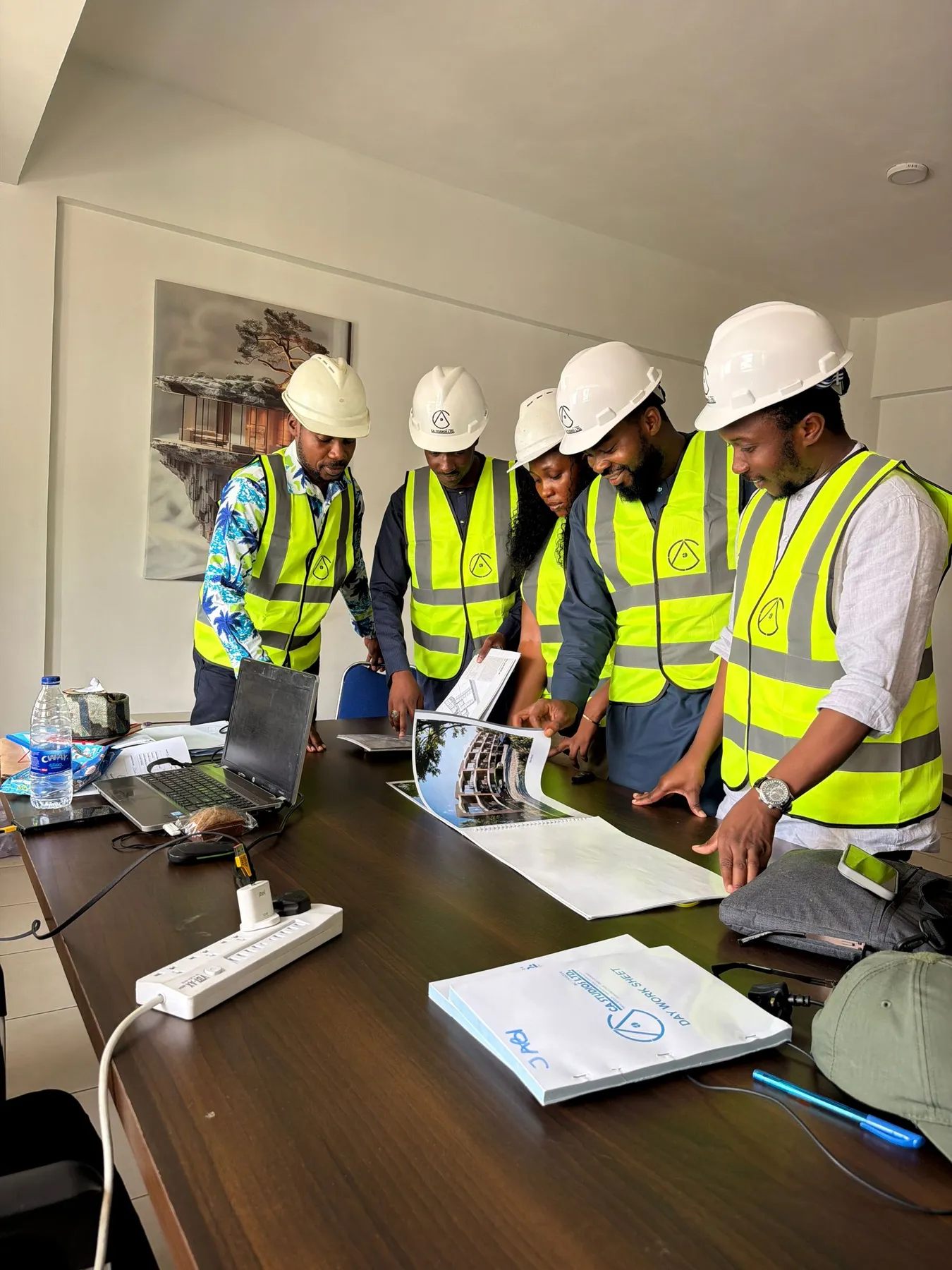
Business team reviewing operating reports and decisions

Offering 01 / Business Systems

Fix the systems your business runs on.

Save time on reporting and re-entry, reduce avoidable errors, improve operating visibility, and rely less on heroic effort.

Most operating problems cross more than one system.

Work gets harder when information lives in too many places, decisions have no clear owner, and people compensate with manual effort.

  • “Our software does not communicate, so people move the information.”
  • “Reporting takes hours and still does not show us what we need.”
  • “Quoting, scheduling, billing, or dispatch breaks at the handoffs.”
  • “Growth outpaced the way we operate.”
  • “One person knows where everything is and how it works.”

Vidalion examines how the organization actually runs—not how a process diagram says it runs—then improves management structure, workflow, data, technology, and operating rhythm around the constraint.


What clients purchase

From operating friction to an implemented system.

Each engagement is scoped around a business result. The work may combine process, management, data, and technology rather than forcing the problem into one discipline.

01 · Operations

Workflow & process improvement

For: Teams losing time at handoffs, approvals, scheduling, billing, dispatch, or administrative work.

We deliver: Current-state maps, redesigned workflows, clear ownership, procedures, and implementation support.

Target outcome: Faster, more reliable work with fewer avoidable steps.

02 · Technology

Integration, automation & custom tools

For: Organizations relying on manual re-entry or software that does not fit the operation.

We deliver: Integrations, automations, configured platforms, internal tools, or custom software with adoption support.

Target outcome: Less manual work and technology that supports the actual process.

03 · Information

Data, reporting & decision systems

For: Leaders who cannot see performance early enough to act.

We deliver: Reporting workflows, dashboards, data structures, controls, and operating review rhythms.

Target outcome: Trusted information, clearer accountability, and better decisions.

04 · Execution

Operating model & systems implementation

For: Growing businesses whose management structure and internal systems no longer match their scale.

We deliver: A practical operating model, sequenced system roadmap, coordinated implementation, documentation, and measurement.

Target outcome: More control and capacity without avoidable complexity.

The defined first engagement

The Systems Diagnostic

A two-to-three-week, fixed-scope, fixed-fee engagement focused on one core process. You receive current-state maps, a quantified burden estimate, ranked fixes, and a recommended first implementation.

  • Built for roughly 10–200-person operating businesses
  • No long retainer or open-ended study
  • Implementation is a separate decision
See the full scope →
What we build

Technology around the business. Not the other way around.

The answer may be a management process, an internal tool, automation, better reporting, or a redesigned operating system. We choose based on the constraint.

Warehouse worker checking inventory with a clipboard
Information that moves without manual re-entry.
Industrial workers operating machinery on a factory floor
Workflows designed around the actual operation.
Engineering team reviewing construction plans together
Decisions connected to visible evidence.
How it works

Diagnose. Design. Build. Implement. Measure.

The work is complete only when the new system is operating, adopted, and producing evidence.

01

Diagnose

You see where time, information, ownership, and value are actually being lost.

02

Design

You receive a practical future workflow with clear owners and limits.

03

Build

The right process, automation, reporting layer, or tool is configured around the operation.

04

Implement

Your team puts the change into real work with ownership, documentation, and adoption support.

05

Measure

You compare time, cost, quality, visibility, or capacity against the starting baseline.

Designed outcomes

Less friction. Better control.

Every project defines its own measures. Typical targets include time saved, cost reduced, faster cycles, clearer decisions, improved delivery, and new capacity.

VisibilityKnow what is happening and why.
FlowMove work with fewer delays.
ControlMake ownership and decisions clear.
CapacityDo more without adding avoidable complexity.
Research behind the offering

See the operating thesis.

These publications show how Vidalion separates evidence, analysis, and testable hypotheses before changing a business system.

Bring us the friction

What is making the business harder to run?

Start a conversation →